Energy Systems Integration Facility: Who Can Use It, How Access Works, and Where to Get Help
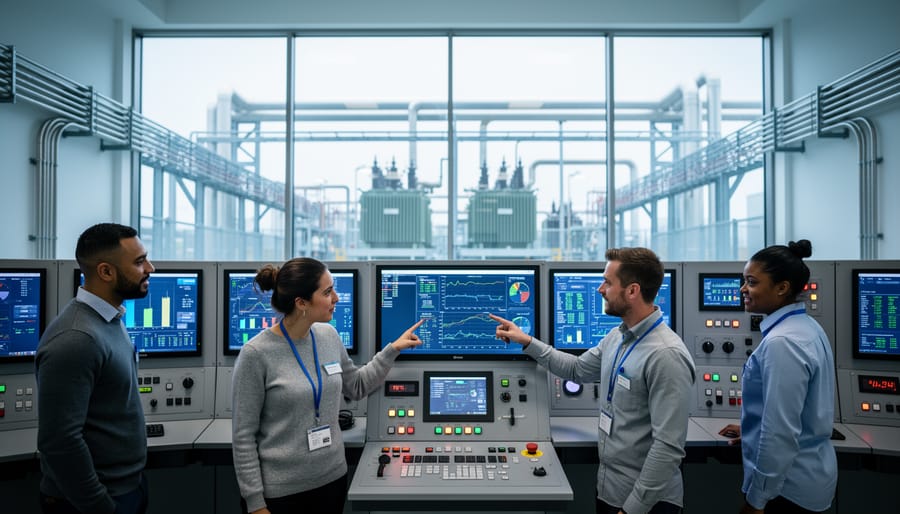
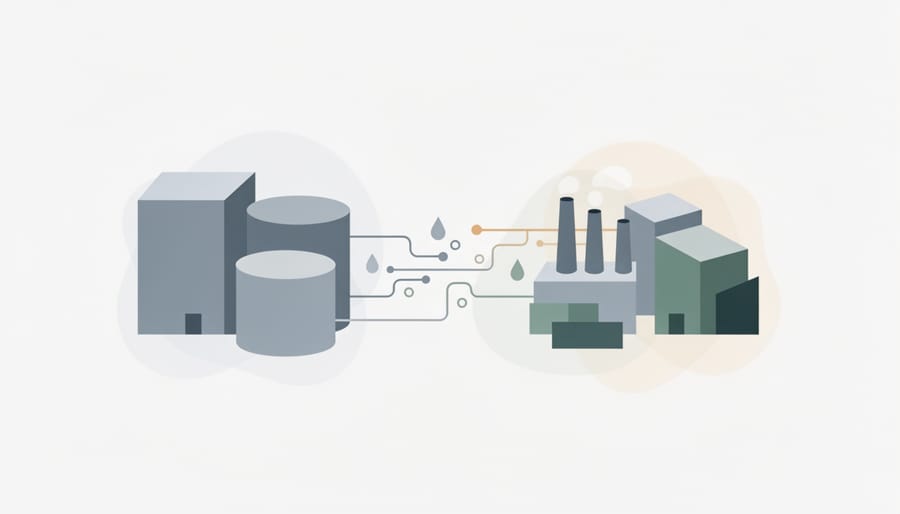
An energy systems integration facility is a purpose-built research and testing site where electricity, heat, gas, mobility and storage technologies are connected and operated together, so engineers can see how they behave as one system rather than as separate parts. Think of it as a full-scale rehearsal space for the energy transition. Instead of simulating how a wind farm, an electrolyser, a district heating network and a fleet of electric vehicles will interact on a real grid, you plug them in, push them hard and watch what happens.
That matters because energy system integration, the coordinated planning and operation of multiple energy carriers, is how Northern Europe intends to absorb large shares of variable renewables without compromising reliability. Denmark, Sweden, Finland and Norway already lean on sector coupling, from wind-to-heat schemes to hydrogen pilots. Yet new technologies rarely earn investor or regulator confidence until they’ve been proven at realistic scale.
This article explains what these facilities are, who is eligible to use them, what rights and obligations come with access, and where to find help engaging with one. Researchers, developers, students and policy makers will find a practical route from first question to first experiment.
What an Energy Systems Integration Facility Is and Why Energy System Integration Depends on One
What Happens Inside: Core Capabilities at a Glance
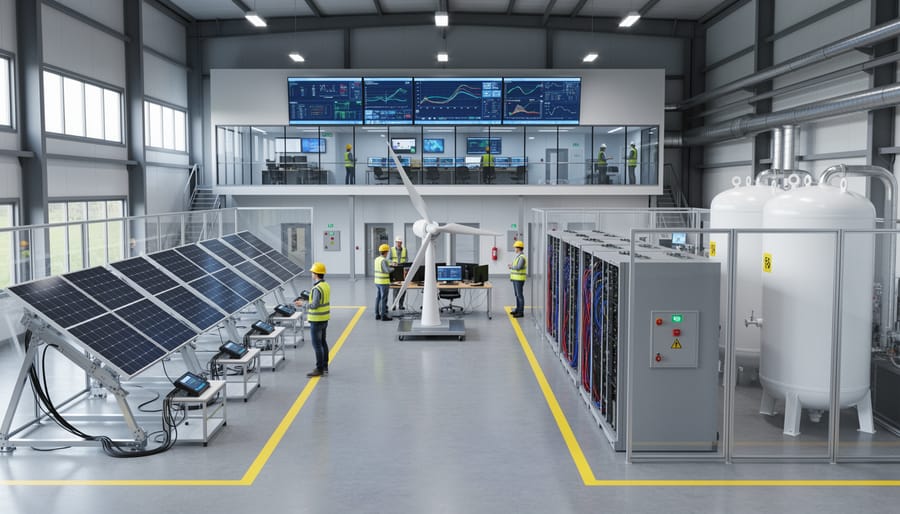
Walk through the doors of a well-equipped integration facility and you rarely see one big machine. You see many systems wired to work together, each one standing in for a piece of the real energy economy. Exact capabilities differ from one facility to the next, but a handful appear again and again.
Grid simulation lets operators recreate the behavior of a distribution or transmission network in the lab, including faults, voltage dips, and sudden swings in demand. Power electronics testing checks the inverters and converters that connect solar panels, batteries, and electrolyzers to the grid. Many sites pair these with real-time hardware-in-the-loop setups, where a physical device is connected to a simulated grid that reacts instantly to its behavior.
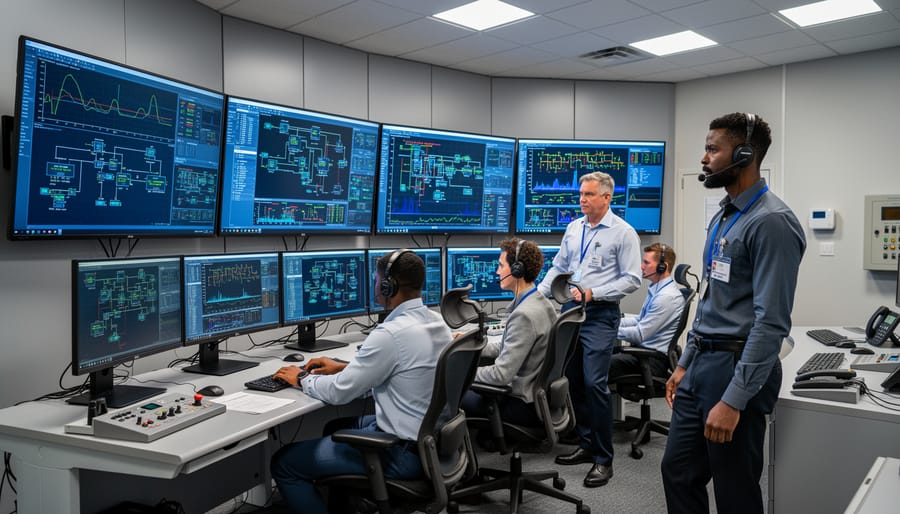
Thermal and fuel integration covers heat pumps, district heating links, hydrogen production, and fuel cells. This is where the three energy systems meet in practice: electricity, heat, and fuels exchanging energy under one control strategy. Energy storage evaluation puts batteries and thermal stores through repeated charge cycles to see how they age and respond to grid signals. A control room ties it all together, with visualization screens showing power flows and system status as experiments run.
| Capability area | What it tests | Who typically benefits |
|—|—|—|
| Grid simulation | Network behavior under faults and variable demand | Utilities, municipalities |
| Power electronics testing | Inverters and converters connecting devices to the grid | Manufacturers, universities |
| Thermal and fuel integration | Heat, hydrogen, and electricity working together | Municipalities, manufacturers |
| Energy storage evaluation | Performance and ageing of batteries and thermal stores | Utilities, manufacturers |
| Control-room visualization | System-wide monitoring and operator response | Universities, utilities |
Not every facility offers all of these, so it pays to check the equipment list before you plan a project.
Facilities in Practice: A Case Study Approach
A good way to see what these facilities deliver is to follow one project through its stages. Consider a utility and a technology developer who want to know whether a battery-backed solar plant can hold grid frequency steady when a storm cuts the main transmission line. On paper the control software looks sound. On a live network, testing that scenario would risk real customers, so the partners take it to an established integration testbed, such as the national laboratory facilities in the United States or the university and utility testbeds across the Nordic countries.
The project typically starts with a scoping conversation. Engineers translate the concept into measurable test objectives: how quickly the inverters respond, how the storage system behaves under a sudden load swing, and where the controls fall short. Using hardware-in-the-loop methods, the real inverter is connected to a simulated grid that can reproduce the fault safely and repeatedly. Early runs often reveal surprises, perhaps a control setting that oscillates under weak-grid conditions. Because the failure happens in the lab, the fix costs a software update rather than an outage.
After several rounds of refinement, the team produces validated results: documented performance curves, a record of how the system behaved under each disturbance, and evidence a regulator or investor can trust. That validation is the real product of the work, turning a promising idea into something bankable.
A useful way to bring this story to life is a short interview with a facility manager or researcher. Suggested angle: ask them, “What is the most common thing a project team discovers only after it arrives at the testbed?” Their answer tends to show why early access to an integration facility saves time, money, and risk for everyone involved.
Who Can Use These Facilities: Eligibility and Typical Entry Routes
Access Models Compared: Collaborative Research, Paid Testing, and Education Use
Four routes into an energy systems integration facility cover most needs, and each suits a different goal, budget, and level of readiness. Many operators in Northern Europe run several of them side by side, so a single lab can host a PhD student on Monday and a utility’s commercial trial on Tuesday.
| Access route | Typical users | Cost approach | What to prepare |
|---|---|---|---|
| Joint research project | Universities, research institutes, industry partners | Shared costs, often backed by public funding | Research questions, data-sharing and publication terms |
| Fee-for-service testing | Technology developers, manufacturers, start-ups | Paid per test campaign or per day of use | Clear test objectives, equipment specifications, safety documents |
| Consortium or coalition program | Utilities, municipalities, mixed academic-industry groups | Pooled contributions among members | Partner agreements, a shared work plan, defined roles |
| Training and student access | Students, early-career engineers, educators | Often covered by an institution or course | Learning outcomes, supervision arrangements, basic safety training |
Joint research works best when you want to explore something new and are willing to share results. Fee-for-service is faster and more private, which suits a company validating a product on a deadline. Consortium programs spread both cost and risk, and they are where much of the regional momentum sits. Across the Nordic and Baltic countries, universities, grid operators, and city governments increasingly pool resources to run shared testbeds, which lowers the barrier for smaller players who could never fund a facility alone. These partnerships mirror the wider pattern of global collaborations that turn local expertise into shared capability.
Education use deserves more attention than it gets. Letting students run real experiments on real equipment builds the skilled workforce the transition depends on. Terms vary by operator, so confirm which routes a given facility offers before you plan your project.
Your Rights and Obligations as a Facility User
Joining a facility project works best when both sides understand the deal up front. Because every facility and every project is different, rights and responsibilities are almost always set in a written agreement negotiated before the first test.
Here is what users can generally expect. You should have scheduled access to the testing equipment and to technical staff who know how it behaves, including support with setup and troubleshooting. Agreements usually spell out who owns the data your experiments produce, and operators typically commit to keeping proprietary designs and results confidential. For start-ups and utilities, that protection is often what makes testing a prototype in a shared facility worth the risk.
In return, users take on a clear set of duties:
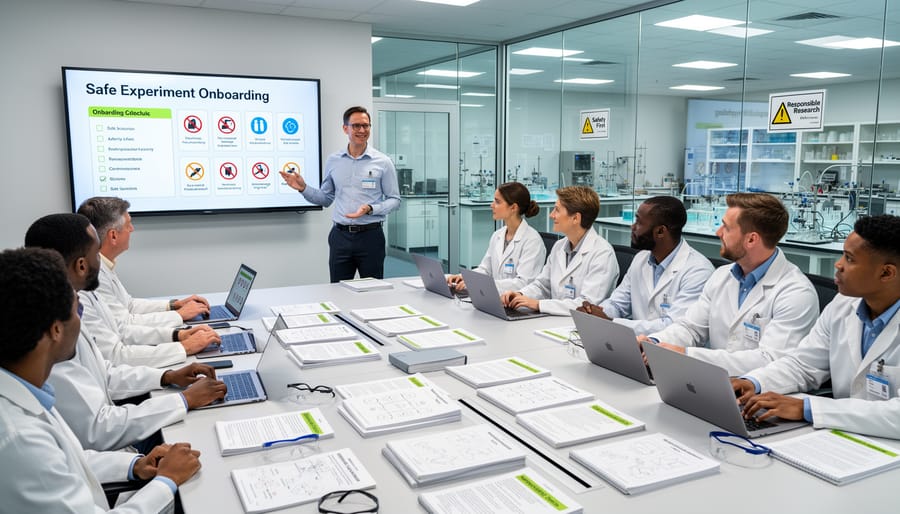
– Following site safety rules, completing required onboarding, and holding the right qualifications for the equipment involved
– Documenting test setups, configurations, and changes so results can be reproduced and reviewed
– Returning equipment in the condition it was found and reporting faults or damage promptly
– Respecting the agreed terms on publication, background and new intellectual property, and data sharing
– Delivering any progress or final reports that funders require
Publication and IP terms deserve particular attention. Academic partners often want to publish, while industry partners may need a delay or review period to protect commercial value, and good agreements balance both. Think of it like planning a shared workshop: the clearer the house rules, the more creative and productive everyone can be.
Results from these tests increasingly feed wider planning work, such as grid planning with AI, so questions about who may reuse data and in what form are worth settling early. Ask the operator for a template agreement during your first inquiry, and bring your legal or research office in before you sign. Clear expectations on both sides are what turn a test campaign into dependable, usable evidence.
From Idea to First Test: What the Process Usually Looks Like
Most engagements with an energy systems integration facility follow a similar arc, even though every operator has its own paperwork and vocabulary. Timelines vary widely, from a few weeks for a simple fee-for-service test to many months for a multi-partner research project, so build in slack from the start.
It usually begins with an initial inquiry to the facility’s user office, followed by a scoping call where staff check whether your concept fits their equipment. Next comes a proposal or agreement covering cost, schedule, and responsibilities, then a safety and onboarding review before anyone touches the hardware. After that, you and the technical team write a test plan, run the experiments, and sit down for a results review. Strong partnerships across academia, utilities, and industry often drive collaboration at this stage, because shared goals make scoping faster.
Before you reach out, it helps to know how operators typically screen requests. Common eligibility considerations include:
- Your organization type, such as university, utility, public agency, or start-up.
- Project scope and readiness, including how mature the technology is.
- The funding model, whether grant-backed, cost-shared, or paid testing.
- Safety and insurance requirements for working on site.
- Intellectual property and data terms agreed up front.
One practical tip matters more than any other: define measurable test objectives early. “See how the system behaves” is hard to schedule and harder to evaluate. “Confirm the electrolyzer follows a wind-power ramp within a set response time” gives everyone a clear pass-or-fail target and keeps the results review productive.
Where to Get Help and Find the Right Facility
Finding the right facility starts with the people who already run these sites. Most operators maintain a user office or a named technical contact whose job is to answer exactly the questions a newcomer has: what the facility can test, what it costs, and whether your project is a good fit. Beyond operators, national energy agencies and university research offices often keep overviews of available test infrastructure and can point you toward the closest match. European research infrastructure networks go a step further, bundling access to multiple sites under shared application routes, which is especially helpful for teams across Northern Europe. Coalition partnership programs, including those Climate and Energy Coalition helps facilitate, can also connect researchers, utilities, and developers who might otherwise never meet.
When you make a first inquiry, keep it short and specific. Describe your technology and its readiness level, state your test objectives in measurable terms, and ask about three things: the access model available to you, how data and intellectual property are handled, and what safety or onboarding steps come first.
Do small companies or start-ups qualify?
Many facilities welcome start-ups, often through fee-for-service testing or collaborative projects. Eligibility varies by operator, so confirm criteria directly with the user office.
Can students use the facilities?
Some facilities offer supervised training or thesis access, usually arranged through a university partner or supervisor. Ask the operator what education routes they support.
Who owns the test data?
Ownership terms are set in the agreement for each project, so raise this question in your first conversation and get the answer in writing.
Are there facilities outside national labs?
Yes. University testbeds, utility-run sites, and industry-operated facilities also offer integration testing, sometimes with more flexible access terms.
Whichever route you choose, a clear question and a clear objective will get you a faster, more useful answer.
Key Lessons for Building a Sustainable Energy Future
Integration facilities close the gap between a promising idea and a system that actually works. They take Energy System Integration out of the whiteboard stage and prove it under realistic conditions, where power, heat, fuels, storage, and controls have to cooperate. Every validated test lowers the risk for the utilities, developers, and communities that will build on the result.
They also build people. Engineers, technicians, and students who learn on shared equipment carry that experience into the zero-carbon workforce where integration skills are only becoming more valuable. And because many facilities work across borders, each project strengthens the bridge between regional initiatives in Northern Europe and the wider global effort.
The future will be built by those willing to test it together. Reach out, ask questions, and start the conversation.