What Are the Three Energy Systems in Energy System Integration?
The three energy systems are electricity, heating and cooling, and transport. Together they form the backbone of modern society, powering our homes, businesses, and mobility while accounting for nearly 75% of global greenhouse gas emissions.
Understanding how these systems function individually and how they integrate has become essential for anyone working in energy policy, infrastructure development, or sustainability. The energy landscape in 2026 looks fundamentally different from a decade ago. Where electricity, thermal energy, and transport once operated in silos, they now increasingly overlap and reinforce one another through technologies like heat pumps, electric vehicles, and smart grids that optimize across all three domains simultaneously.
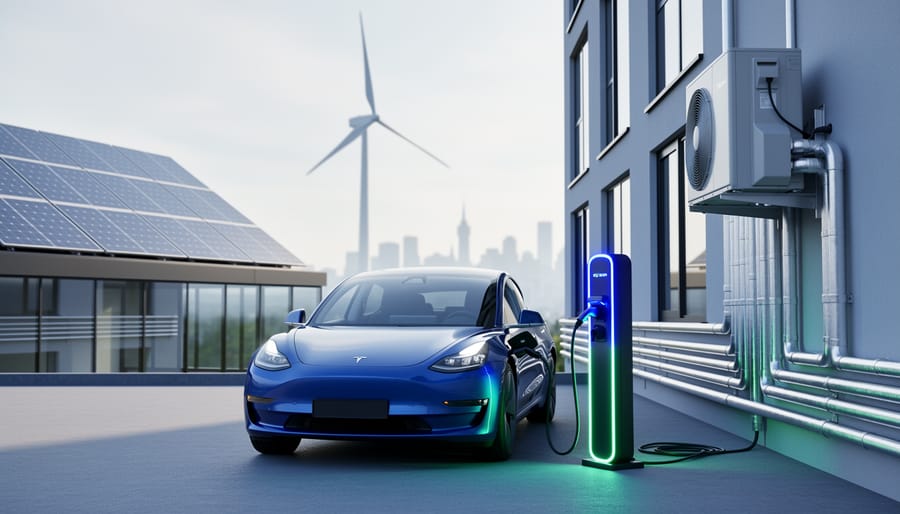
This shift matters because solving the climate crisis requires more than switching from coal renewable energy sources. It demands rethinking how energy moves through our entire infrastructure. A wind turbine doesn’t just generate electricity anymore. That power charges vehicles, runs heat pumps that warm buildings, and gets stored in batteries that stabilize the grid during peak demand.
The concept of energy system integration recognizes this interconnection. When Denmark uses surplus wind power to produce hydrogen for heavy transport, or when Germany couples district heating networks with renewable electricity generation, they’re demonstrating how the three systems can work together more efficiently than they ever could apart.
This article breaks down each energy system in clear terms, then examines the mechanisms and technologies that link them. You’ll find real-world case studies from leading integration projects across Europe and North America, expert perspectives on emerging trends, and practical insights into the components making this transformation possible. Whether you’re developing policy frameworks, planning infrastructure investments, or simply seeking to understand how modern energy systems actually work, you’ll gain a comprehensive foundation in both the fundamentals and the cutting edge of energy system integration.
The future of energy isn’t three separate systems. It’s one intelligent, interconnected network.
Understanding the Three Core Energy Systems
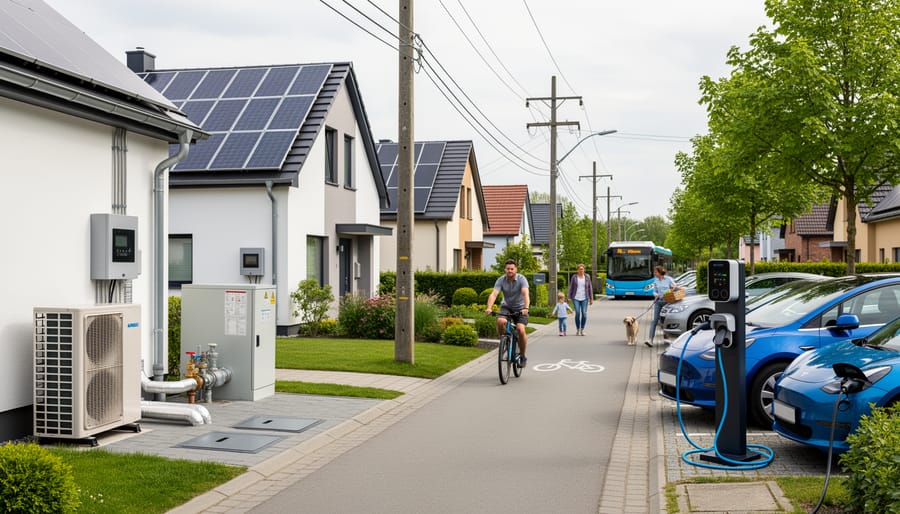
When we talk about energy systems, we’re referring to the infrastructure and networks that deliver energy to where it’s needed. Traditionally, these systems operated independently, separate industries with distinct technologies, regulations, and planning horizons. Understanding how these systems function individually reveals why integrating them matters so profoundly for our energy future.
- Electricity System
- The network of power plants, transmission lines, substations, and distribution infrastructure that generates and delivers electric power to homes, businesses, and industries. This system operates in real-time, constantly balancing supply and demand across the grid.
- Heating and Cooling System
- The infrastructure providing thermal energy for space heating, hot water, industrial processes, and air conditioning, including furnaces, boilers, district heating networks, and cooling systems. This system accounts for roughly half of total energy consumption in many developed regions.
- Transport System
- The network supplying energy to vehicles and mobility infrastructure, traditionally dominated by petroleum products but increasingly incorporating electricity, hydrogen, and biofuels. This system encompasses everything from personal vehicles to freight logistics and public transit.
Each system developed its own ecosystem. Power companies built coal and gas plants to meet electricity demand. Oil refineries and filling stations served the transport sector. Gas utilities and district heating operators handled thermal needs. This separation made sense historically, different fuels, different distribution methods, different end uses.
But these siloed systems created inefficiencies that are impossible to ignore in 2026. When wind turbines generate excess electricity at night, that power often goes to waste instead of heating water or charging vehicles. Industrial facilities burn gas for heat while simultaneously purchasing electricity generated from gas at a power plant miles away. Electric buses return to depots during peak demand hours, straining the grid instead of helping stabilize it.
The separation also limits our ability to integrate renewable energy. Solar and wind don’t produce power on demand, yet the electricity system traditionally operated with little flexibility. Without connections to heating and transport, surplus renewable electricity has nowhere to go, and shortfalls require fossil fuel backup.
These three systems matter because they collectively represent nearly all energy consumption. Electricity typically accounts for 20-25% of total energy use, heating and cooling another 40-50%, and transport 25-35%. To decarbonize our economy, we must transform all three, and increasingly, that transformation requires they work together rather than apart. The boundaries between them are becoming productive interfaces where efficiency gains and emission reductions become possible.
How Energy System Integration Works Across All Three Systems
Cross-Sectoral Energy Flows
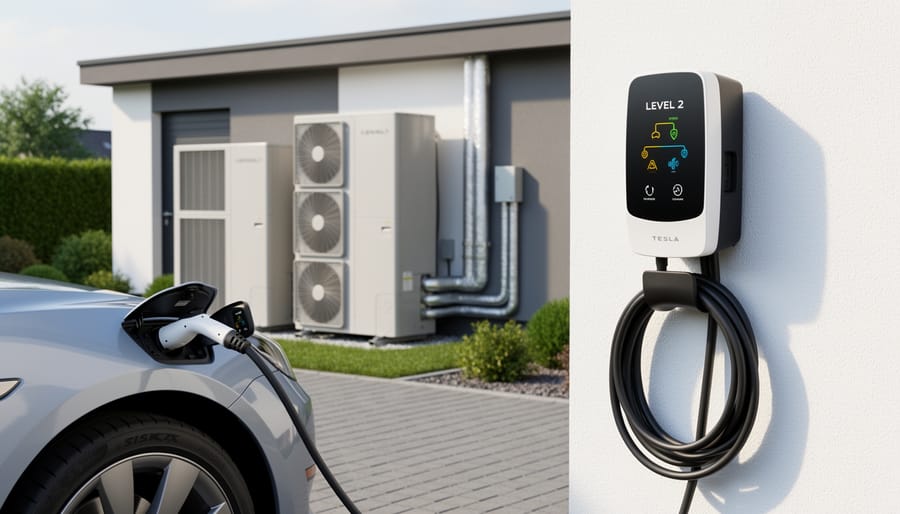
Energy flows between the three systems through direct conversion and shared infrastructure, transforming how we use and distribute power. When surplus electricity from wind turbines charges an electric vehicle overnight, that represents energy moving from the electricity system into transport. The vehicle’s battery then becomes mobile storage that can feed power back to the grid during peak demand, a bidirectional flow that stabilizes both systems.
Heat pumps create another critical pathway. They draw electricity from the power grid and convert it into thermal energy for buildings, effectively transferring energy from the electricity system to heating and cooling. A single heat pump can deliver three to four units of heat for every unit of electricity consumed, making this cross-sectoral flow remarkably efficient.
Industrial facilities often generate both electricity and heat simultaneously through combined heat and power plants, demonstrating how production can serve multiple systems at once. District heating networks capture waste heat from power generation or industrial processes and distribute it across neighborhoods, creating a physical link between systems that would otherwise operate independently.
These flows aren’t random. Smart meters and digital controls coordinate when energy moves between systems, directing it to where it’s most valuable at any given moment. During periods of high renewable generation, excess electricity might heat water for thermal storage or charge vehicle fleets, effectively shifting energy across both system boundaries and time.
The Role of Conversion Technologies
Conversion technologies act as translators between the three energy systems, transforming electricity into heat, gas, or mobility services, and sometimes reversing the flow. These devices break down the traditional silos separating power grids, thermal networks, and transport infrastructure.
Power-to-heat systems convert surplus electricity into thermal energy for buildings and industry. Heat pumps extract warmth from air, ground, or water sources, delivering three to four units of heat for every unit of electricity consumed. Electric boilers and resistance heaters offer simpler alternatives for large-scale district heating networks, absorbing excess renewable generation during windy or sunny periods. In Denmark, electric boilers integrated with combined heat and power plants now provide flexible heating while stabilizing the electricity grid.
Power-to-gas technology transforms renewable electricity into hydrogen through electrolysis, splitting water molecules into hydrogen and oxygen. This hydrogen can fuel transport, feed industrial processes, or be converted into synthetic methane for injection into existing gas networks. Germany operates over 40 electrolysis demonstration projects, with capacities ranging from small kilowatt units to multi-megawatt facilities. The stored chemical energy bridges seasonal gaps when solar and wind output drops.
Vehicle-to-grid systems turn electric vehicles into mobile batteries. Connected cars can discharge electricity back to the grid during peak demand, then recharge when prices fall. A single electric vehicle battery holds 50-100 kilowatt-hours, enough to power several homes for a day. Pilot programs in the Netherlands and California demonstrate how aggregated vehicle fleets create virtual power plants, smoothing renewable variability while compensating vehicle owners for grid services.
Digital Infrastructure and Smart Coordination
Digital infrastructure acts as the nervous system connecting electricity, heating, and transport networks. Smart meters, sensors, and Internet of Things devices continuously monitor energy flows, demand patterns, and system capacity across all three sectors. This real-time data feeds into control platforms that optimize energy distribution, for instance, diverting surplus renewable electricity to heat water in district heating systems or triggering electric vehicle charging when grid capacity is available.
Artificial intelligence algorithms predict demand fluctuations and coordinate responses. When wind generation peaks overnight, AI systems can automatically activate heat pumps in buildings, pre-charge thermal storage, and signal EV charging stations to ramp up, balancing the grid while meeting heating and transport needs. These digital coordination layers transform isolated energy systems into a responsive, integrated whole that maximizes renewable energy use and maintains reliability.
Components and Technologies Within Each System
Electricity System Components
The electricity system comprises four interconnected layers that enable reliable power delivery. Generation sources form the foundation, spanning renewable assets like solar photovoltaic arrays, wind farms, and hydroelectric facilities alongside conventional thermal plants. In 2026, variable renewables account for growing grid capacity, requiring flexible backup resources and diversified generation portfolios.
Transmission infrastructure moves power from generation sites to consumption centers through high-voltage lines, substations, and transformers. This network operates as the system’s circulatory backbone, with grid operators balancing supply and demand in real time across interconnected regions.
Storage systems, including lithium-ion batteries, pumped hydro facilities, and emerging long-duration technologies, absorb excess generation during low-demand periods and discharge when needed. These assets increasingly provide grid stability services that conventional generators once monopolized.
Demand-side management technologies give grid operators control over consumption patterns through automated load shifting, dynamic pricing signals, and direct load control programs. Smart meters, building energy management systems, and industrial demand response capabilities transform passive consumers into active participants, reducing peak loads and improving overall system efficiency without additional generation capacity.
Heating and Cooling System Components
The heating and cooling system comprises a diverse infrastructure spanning district-scale networks and building-level equipment. District heating networks distribute thermal energy through insulated underground pipes, delivering hot water or steam from centralized generation points to multiple buildings. These systems increasingly incorporate renewable heat sources and combined heat and power plants, achieving distribution efficiencies above 90% in modern installations.
Heat pumps serve as the cornerstone technology for electrifying thermal loads, extracting heat from air, ground, or water sources with coefficients of performance typically between 3 and 5. Ground-source systems offer superior efficiency but require higher upfront investment, while air-source variants provide flexibility for retrofits.
Thermal storage decouples heat production from consumption through insulated tanks, underground cavities, or phase-change materials. Seasonal storage in large underground facilities can shift summer heat to winter demand periods, particularly in Nordic applications.
Industrial waste heat recovery captures rejected thermal energy from manufacturing processes, cement kilns, and data centers. Heat exchangers, organic Rankine cycles, and direct integration with district networks transform this otherwise-wasted energy into productive heating capacity, improving overall system efficiency by 15-30% in optimized industrial clusters.
Transport System Components
The transport system’s integration components center on electrification infrastructure and alternative fuel networks that connect mobility with the broader energy ecosystem. Electric vehicle charging infrastructure forms the backbone, ranging from Level 2 workplace chargers to high-power DC fast-charging stations capable of delivering 350 kW. These charging points increasingly incorporate bidirectional capabilities, allowing vehicles to supply energy back to the grid during peak demand periods.
Public transit electrification extends beyond individual vehicles to encompass electric bus fleets, tram systems, and electrified rail networks. Modern electric buses utilize opportunity charging at terminals or overnight depot charging, with battery capacities typically between 250-450 kWh. Rail electrification through overhead catenary systems or third-rail power delivery creates direct connections to the electricity grid.
Hydrogen fueling networks serve heavy transport applications where battery weight presents challenges. Hydrogen refueling stations compress or cool hydrogen to 350 or 700 bar for vehicle storage, with station capacities ranging from 200 to 1,000 kg daily throughput. Production often links to renewable electricity through on-site electrolyzers, creating another pathway for cross-system energy flows. Fleet management systems coordinate charging schedules across all these components, optimizing energy consumption patterns while supporting grid stability.
Integration Technologies
Energy storage systems form the backbone of integration, with batteries and thermal storage allowing electricity, heat, and transport demands to be decoupled from generation timing. Lithium-ion batteries serve both grid stabilization and vehicle propulsion, while pumped hydro and compressed air storage provide long-duration balancing across sectors.
Sector coupling devices physically connect the systems: bidirectional inverters enable vehicle-to-grid services, heat pumps convert electricity to thermal energy, and electrolyzers produce hydrogen for transport and industrial heating. These devices transform energy from one form to another based on real-time availability and demand.
Control systems coordinate everything. Energy management platforms aggregate data from generators, storage units, heating networks, and charging infrastructure, optimizing dispatch decisions across all three systems simultaneously. Advanced algorithms balance grid frequency, thermal loads, and transport charging patterns within milliseconds, ensuring reliable operation while maximizing renewable utilization.
Applications and Real-World Uses of Integrated Energy Systems
Urban Energy System Integration
Copenhagen demonstrates how a major city can orchestrate all three energy systems into a unified infrastructure. The Danish capital has linked its electricity grid, district heating network, and transport electrification under a single optimization framework that treats them as interdependent parts rather than separate utilities.
The city’s combined heat and power plants now function as flexible assets that respond to electricity price signals. When wind generation floods the grid with cheap power, the plants reduce electricity output and switch large-scale heat pumps on to convert surplus electrons into district heating. This stored thermal energy meets demand hours later, effectively using the heating network as a battery for renewable electricity.
Copenhagen’s electric bus fleet operates on the same optimization logic. Buses charge during off-peak hours when wind power is abundant, and their batteries provide grid services during demand spikes through vehicle-to-grid connections at depot stations. The charging infrastructure coordinates with both the electricity system and the district heating plant schedules to minimize strain on either network.
Results show 40% lower carbon emissions from the combined systems compared to operating them independently, while maintaining 99.7% reliability across all three sectors. The integration required unified data platforms and regulatory changes allowing one entity to operate across traditional sector boundaries, but the efficiency gains justified the institutional restructuring.
Industrial Energy Hubs
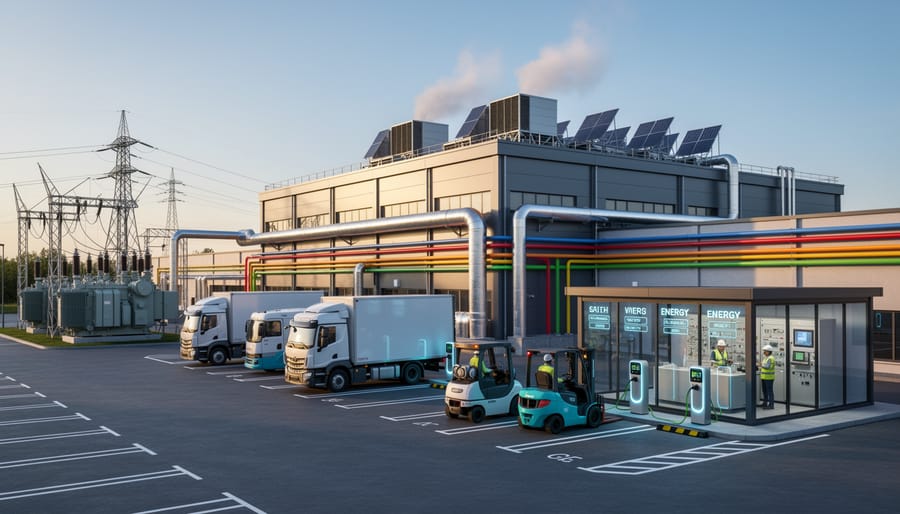
Industrial facilities have emerged as pioneers in multi-system energy integration, driven by the need to reduce operating costs and meet ambitious carbon reduction targets. Modern manufacturing sites, chemical plants, and data centers now coordinate their electricity consumption, thermal requirements, and on-site transport needs through centralized energy management platforms.
A steel production facility in Germany exemplifies this approach. The plant captures waste heat from furnaces to power district heating networks for nearby communities, uses excess renewable electricity during low-price periods to produce hydrogen for material processing, and operates electric forklifts and automated guided vehicles that charge during off-peak hours. This coordination reduced the facility’s energy costs by 23% while cutting emissions by 35%.
Chemical manufacturers have particularly benefited from integrated approaches. By synchronizing production schedules with renewable electricity availability, converting surplus power to industrial heat through electric boilers, and electrifying internal logistics fleets, these sites transform from passive energy consumers into active grid participants. Some facilities now provide grid balancing services by adjusting production timing, generating revenue while maintaining output targets.
The integration extends to shared infrastructure. Industrial parks increasingly feature combined heat and power plants, inter-company energy sharing agreements, and joint renewable installations that serve multiple tenants across all three energy domains.
Regional Integration Networks
Regional energy networks demonstrate how cross-border coordination unlocks system integration at unprecedented scale. The Baltic Energy Market Interconnection Plan, for instance, synchronizes electricity grids across Estonia, Latvia, and Lithuania while coordinating district heating networks and electric vehicle charging infrastructure across all three nations. This approach pools renewable generation, offshore wind from Danish waters powers heat pumps in Swedish cities and charges truck fleets operating on Polish routes, creating resilience through geographic diversity. Germany’s DACH+ corridor with Austria and Switzerland similarly integrates hydroelectric storage, industrial heat recovery, and freight electrification across alpine regions. These global collaborations prove that system integration works most effectively when regions share infrastructure investment, standardize protocols, and operate energy systems as unified networks rather than isolated national silos.
Benefits and Challenges of Three-System Integration
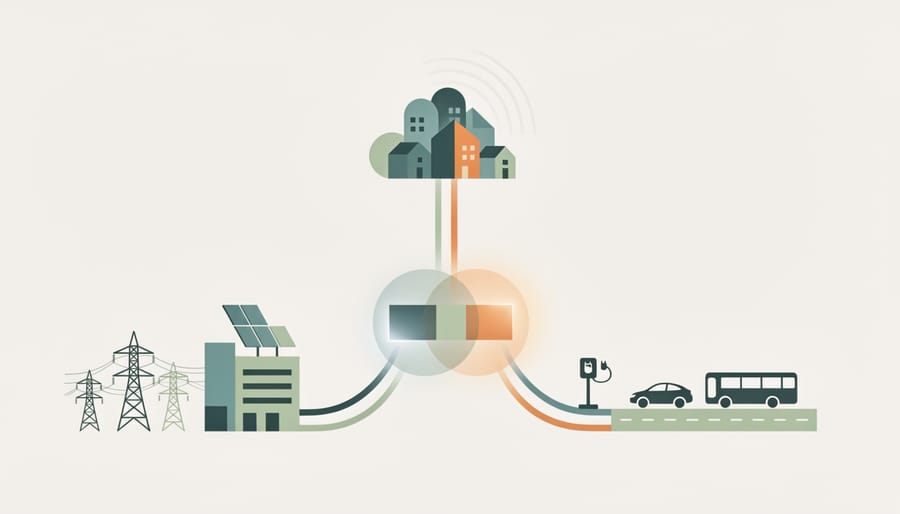
Integrating electricity, heating/cooling, and transport systems delivers substantial advantages that outweigh maintaining separate, siloed networks. These benefits span efficiency improvements, enhanced renewable integration, and stronger system resilience. However, implementation requires navigating regulatory complexity and significant upfront investment.
Key Advantages of Integration
The primary benefits include:
- Efficiency: Waste heat from power generation supplies district heating, while industrial thermal processes feed back into electrical grids, reducing overall energy demand by 15-30%
- Flexibility: Electric vehicles and heat pumps act as distributed storage, absorbing surplus renewable power during peak generation periods
- Decarbonization: Cross-sectoral coordination accelerates lowering greenhouse gas emissions by replacing fossil fuels across all three systems simultaneously rather than piecemeal
- Resilience: Multiple energy pathways create redundancy, if electricity supply tightens, thermal storage or vehicle batteries can buffer demand
Northern Europe’s integrated networks demonstrate these gains in practice. Denmark’s coordinated approach has enabled 80% renewable electricity penetration while maintaining grid stability through heat pump flexibility and EV charging management. The economic case strengthens as renewable costs decline; in debates over renewables vs coal integration multiplies the value of wind and solar by providing multiple outlets for their variable output.
Implementation Barriers
Three obstacles slow adoption. Regulatory frameworks remain compartmentalized, with separate authorities governing electricity, gas, and transport, each with conflicting priorities and approval processes. Infrastructure investment requires coordinated spending across sectors, complicating financing when budgets are siloed. Technical complexity introduces operational risk; utilities accustomed to managing single systems must develop new expertise in cross-sectoral optimization and real-time coordination.
Legacy infrastructure compounds the challenge. Existing heating networks, electrical grids, and fueling stations weren’t designed for bidirectional energy flows or dynamic coordination. Retrofitting takes time and capital. Policy misalignment, such as electricity taxes that discourage electrification of heating, creates perverse incentives that undermine integration economics.
Despite these hurdles, early adopters consistently report that integration benefits exceed costs within five to ten years, particularly where renewable capacity is high and coordination mechanisms are well-designed.
Common Questions About the Three Energy Systems
Why are there specifically three energy systems rather than more or fewer?
The three-system framework reflects how humans use energy in practice: we need electricity for appliances and devices, heating and cooling for comfort and industrial processes, and transport to move people and goods. While each system contains multiple subsectors and technologies, these three categories capture the fundamental ways energy serves society and the economy.
How does energy system integration differ from simple electrification?
Electrification converts heating and transport to run on electricity, but integration goes further by creating bidirectional connections between all three systems. An integrated approach allows electric vehicles to supply power back to the grid, captures waste heat from electricity generation for district heating, and uses transport infrastructure for energy storage, creating flexibility that electrification alone cannot achieve.
What benefits do consumers actually see from integrated energy systems?
Households and businesses typically experience lower energy bills through optimized cross-system efficiency, more reliable service from diversified supply pathways, and new revenue opportunities like selling vehicle battery capacity back to the grid. Integration also accelerates the deployment of renewable energy, improving local air quality and reducing carbon emissions.
What role does policy play in enabling three-system integration?
Regulatory frameworks must evolve to permit cross-sectoral business models, standardize data sharing between system operators, and incentivize coordinated infrastructure investment. Policy also shapes market structures that reward flexibility and ensures equitable access to integrated system benefits across different communities and income levels.
Implementation success depends significantly on workforce training that equips professionals to work across traditional sector boundaries. Energy planners, engineers, and operators need skills spanning electricity networks, thermal systems, and mobility infrastructure to design and manage integrated solutions effectively. The transition requires not just new technologies but also institutional capacity to coordinate planning across historically separate industries and government departments.
Understanding how electricity, heating and cooling, and transport systems interconnect represents more than a technical challenge, it defines the architecture of our sustainable energy future. These three domains, historically managed in isolation, now converge through integration strategies that amplify renewable energy deployment, enhance efficiency, and build resilience against climate disruption.
The evidence from urban implementations to industrial facilities demonstrates that treating energy infrastructure as a unified whole unlocks capabilities impossible within siloed approaches. When electric vehicles become mobile storage assets, when waste heat from data centers warms residential districts, when smart grids orchestrate demand across sectors in real time, we witness the multiplier effect of integration. The efficiency gains, cost reductions, and emissions cuts achieved through coordinated planning far exceed the sum of individual system optimizations.
Yet the pathway forward requires more than technological readiness. Policy frameworks must evolve to reward cross-sectoral thinking. Regulatory structures built for separate utilities need redesign to enable coordination. Investment models must recognize the distributed value creation inherent in integrated systems. Most critically, stakeholders across disciplines, grid operators, transport planners, building managers, technology providers, and policy makers, need platforms for collaboration that transcend traditional boundaries.
This collaborative imperative sits at the heart of advancing energy system integration at scale. By connecting experts, sharing proven approaches, and fostering knowledge exchange across sectors and borders, we accelerate the transition from fragmented energy infrastructure to cohesive, intelligent systems. The technical foundation exists. The economic case strengthens daily. What remains is coordinating the collective action needed to realize integration’s full potential across communities worldwide.